 all
all
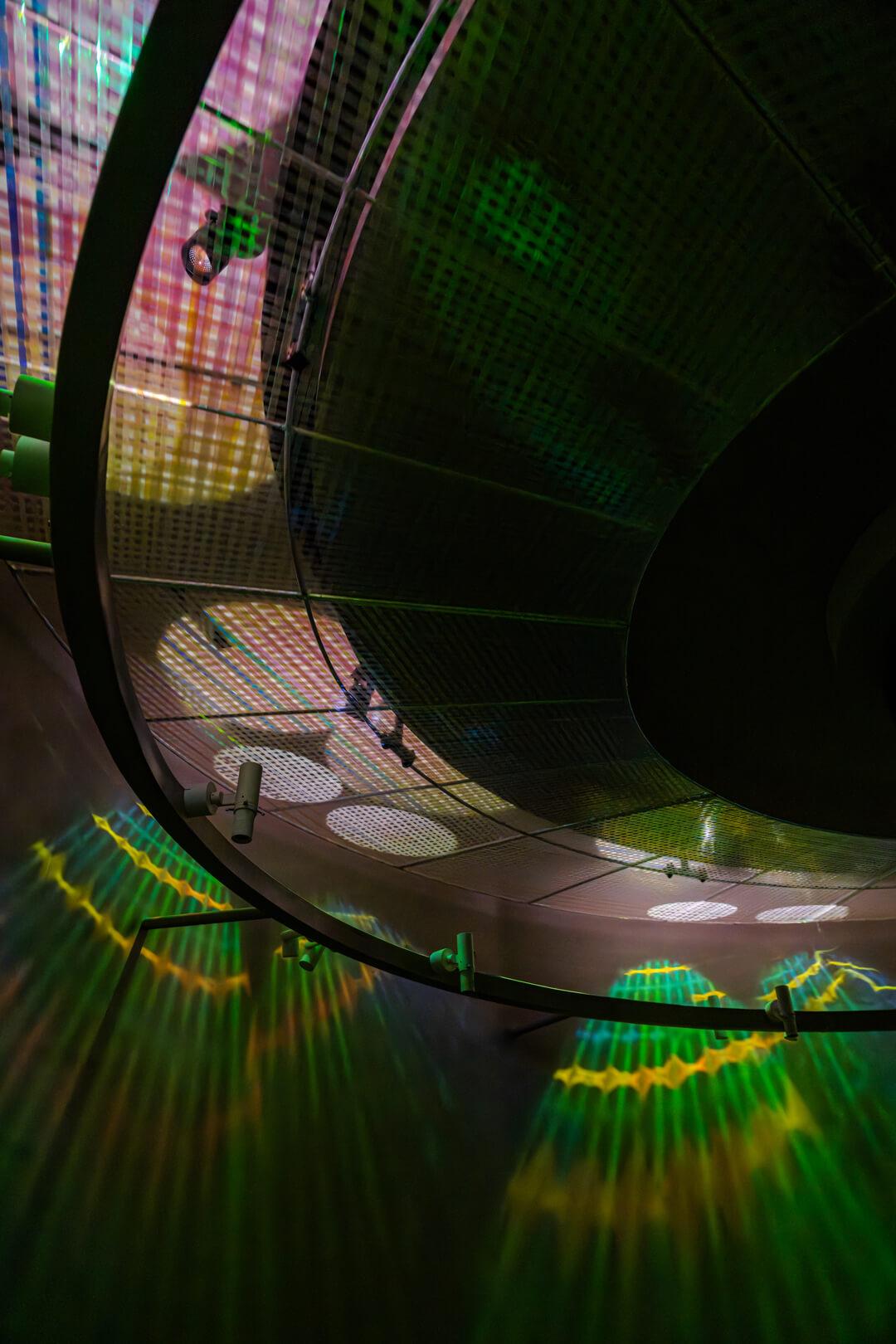
The concept emerged from the architect’s personal reflections while observing children interact with light. For them, light is never merely illumination, it is play, curiosity, and a source of wonder that transforms the ordinary. Inspired by childhood toys and memories (kaleidoscopes, night lamps, and sensory light play), the installation unfolds through shifting reflections, color, and movement, inviting visitors to rediscover how perception can change and how simple elements can create moments of magic.
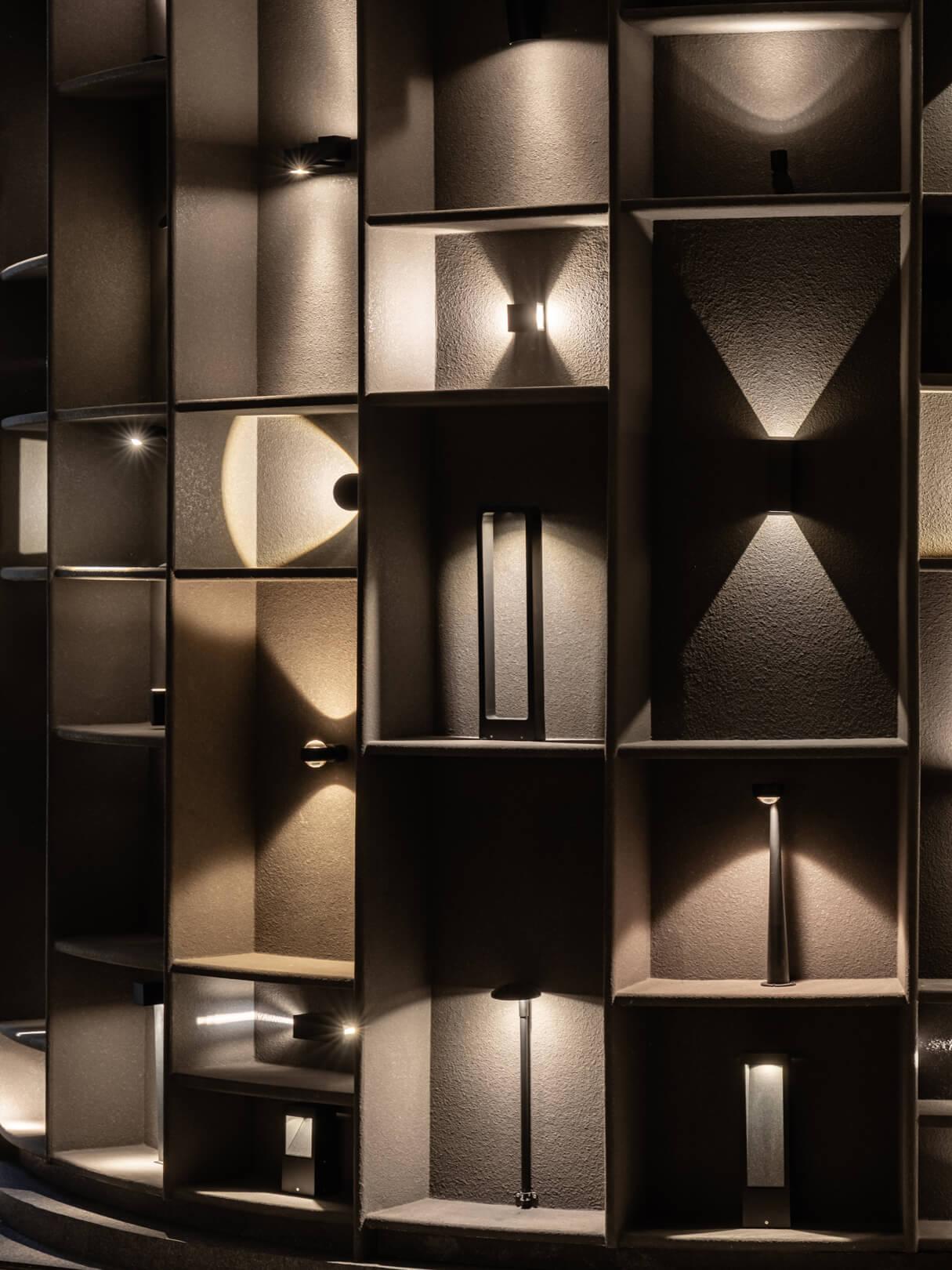
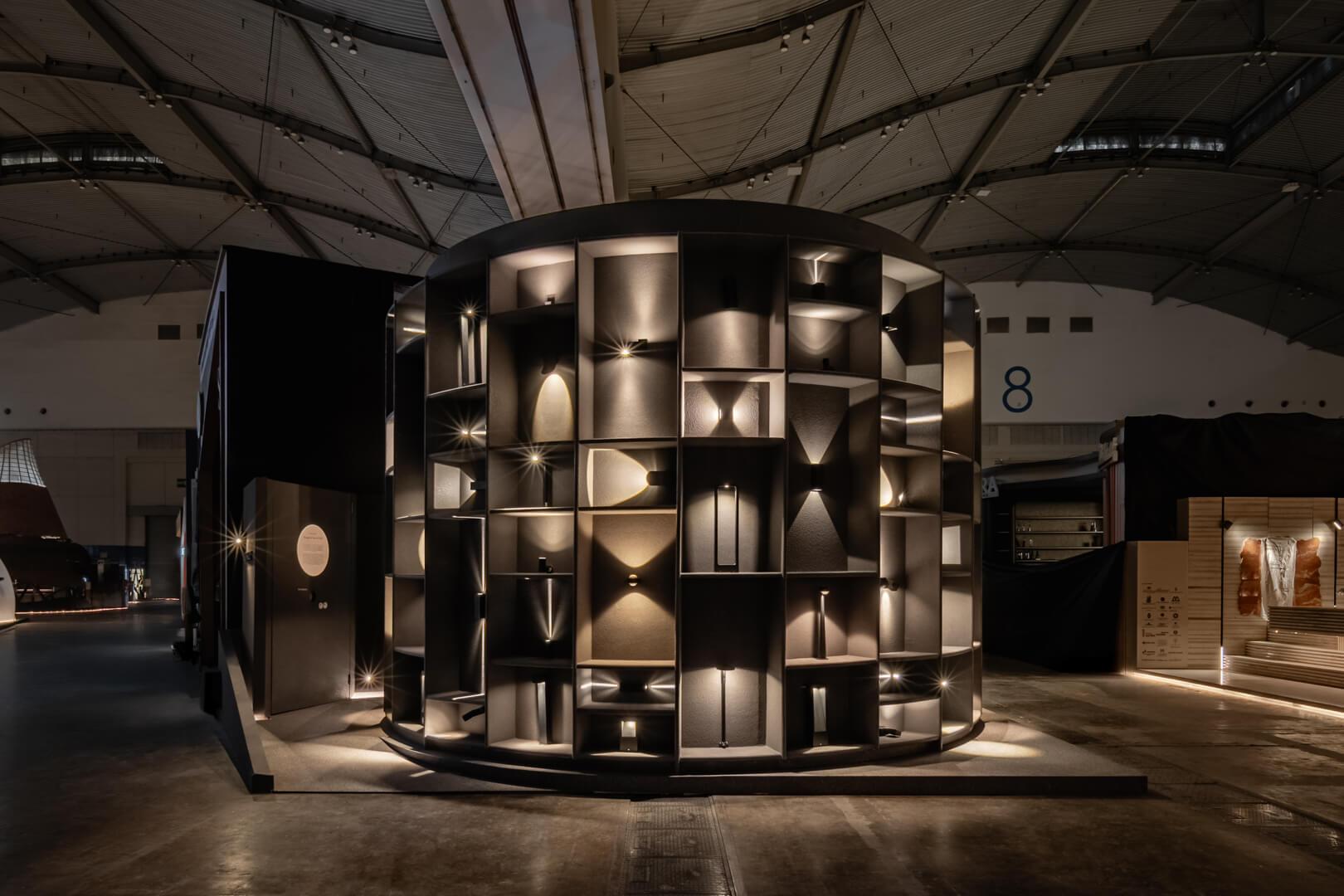
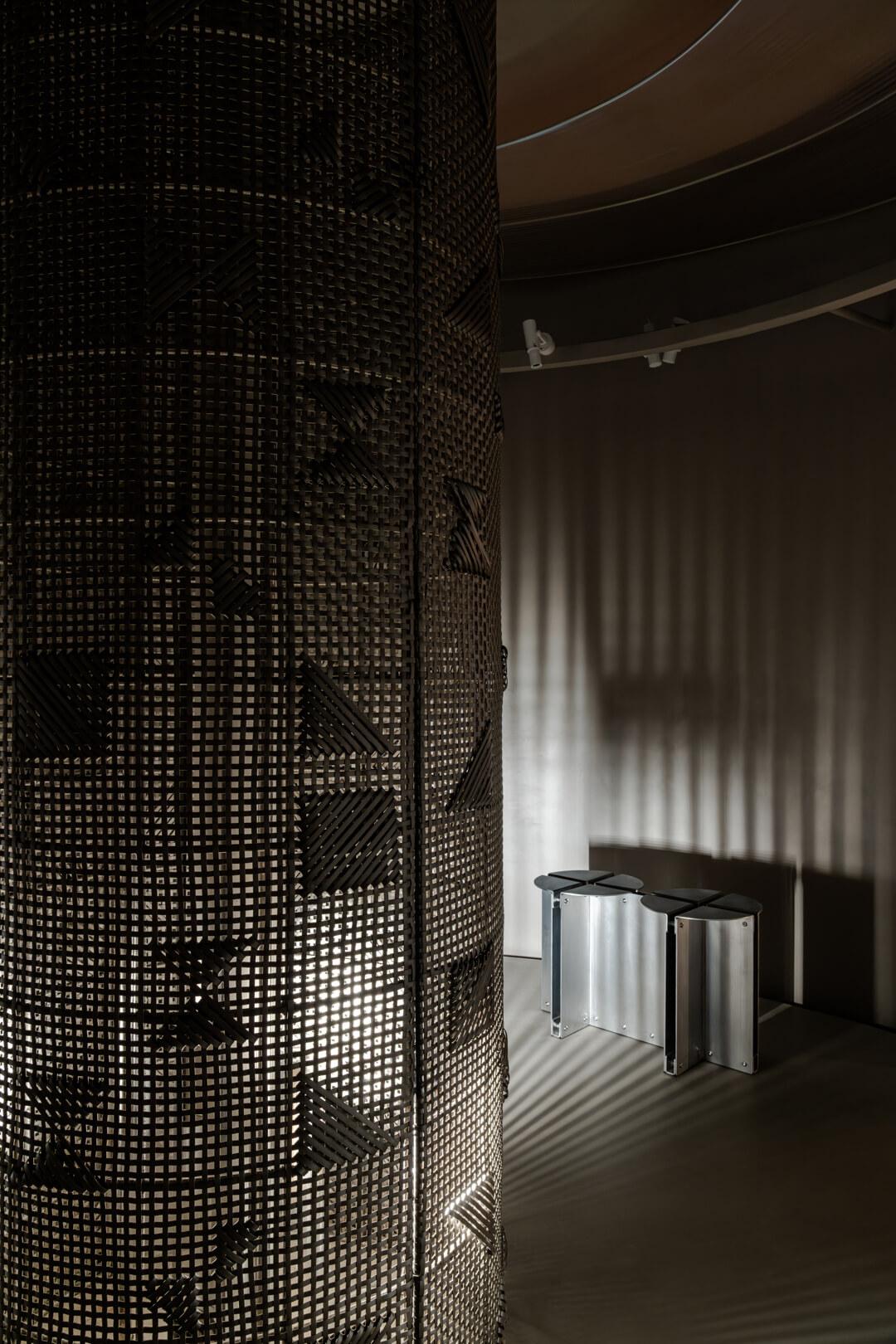
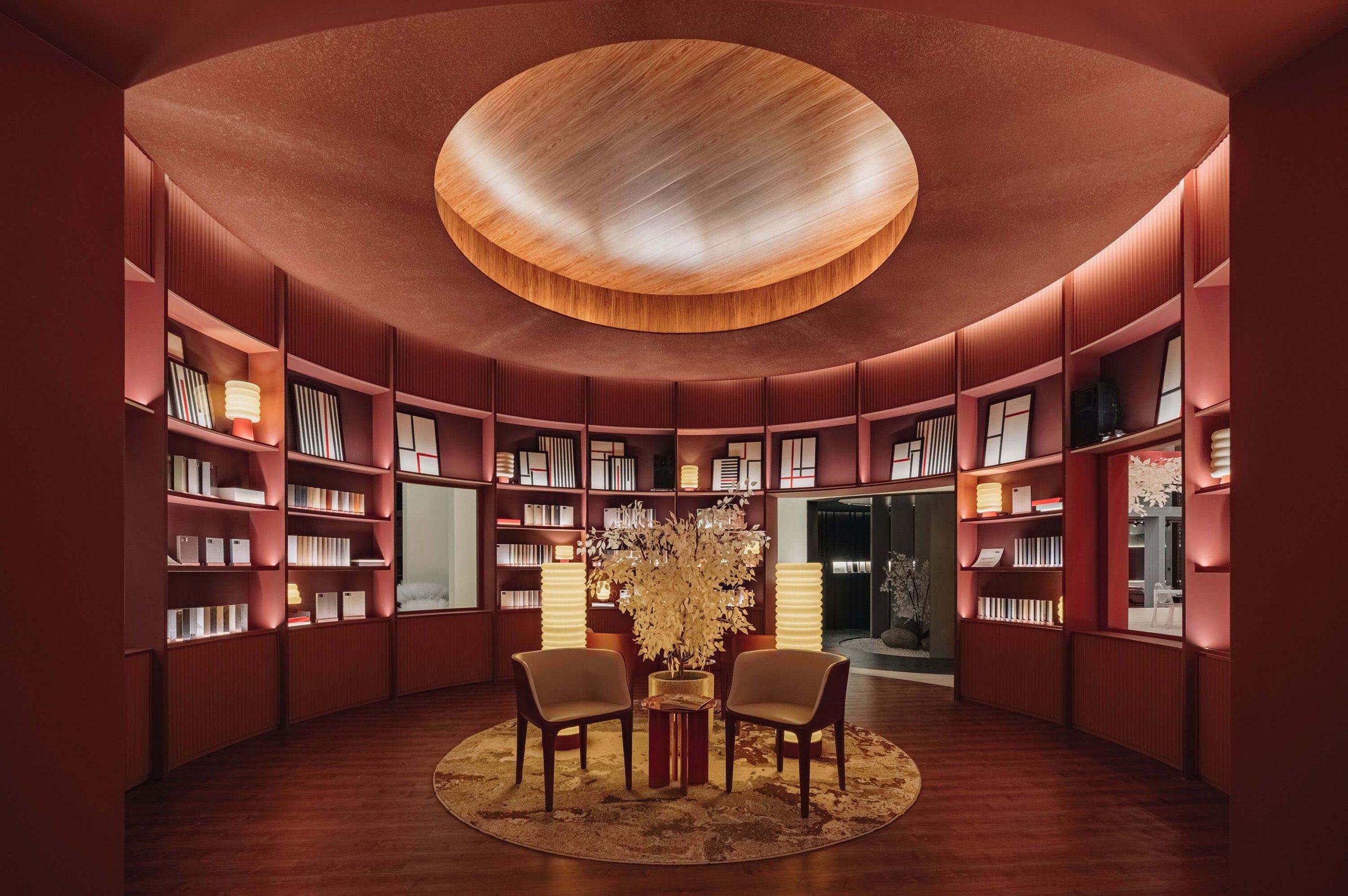
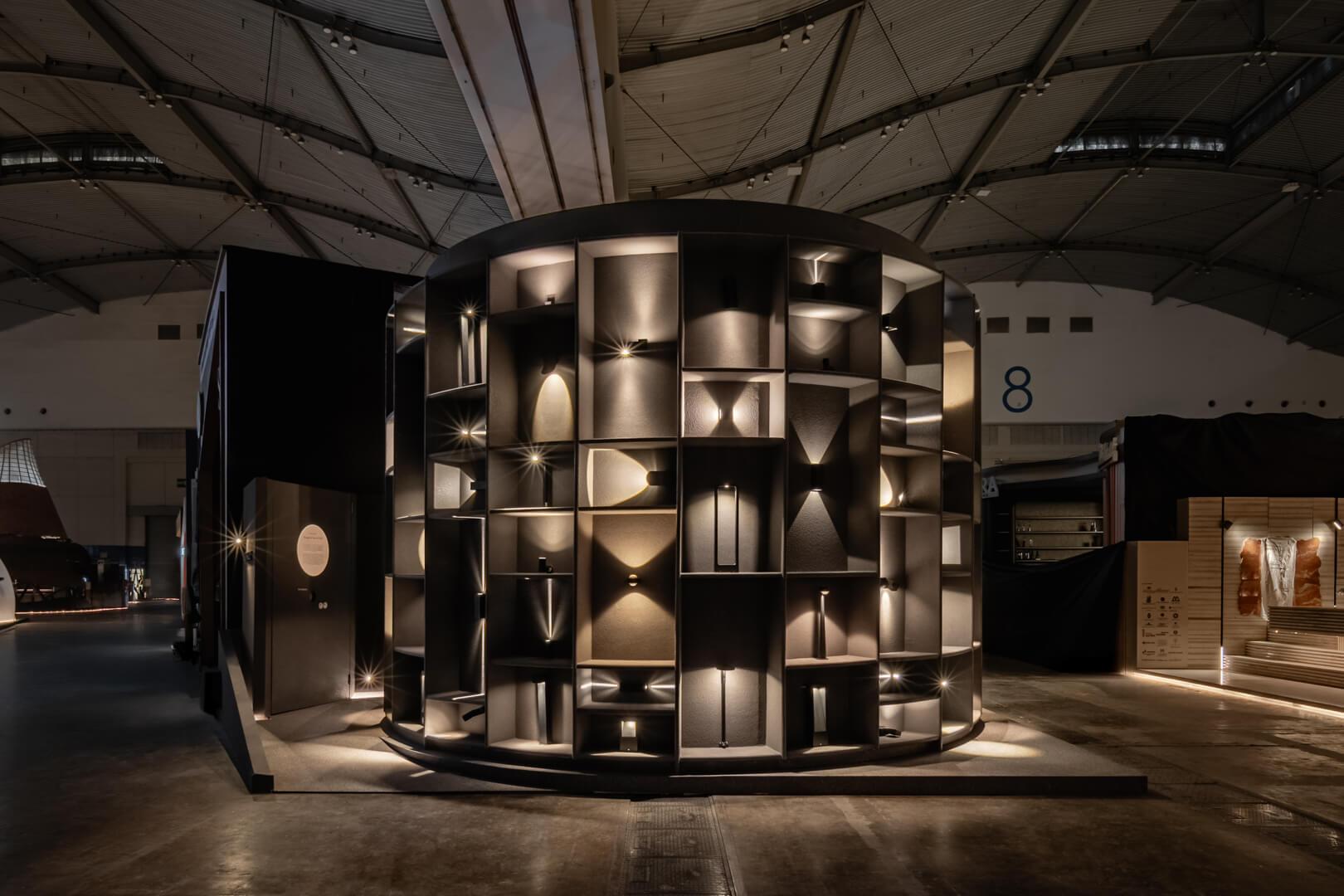
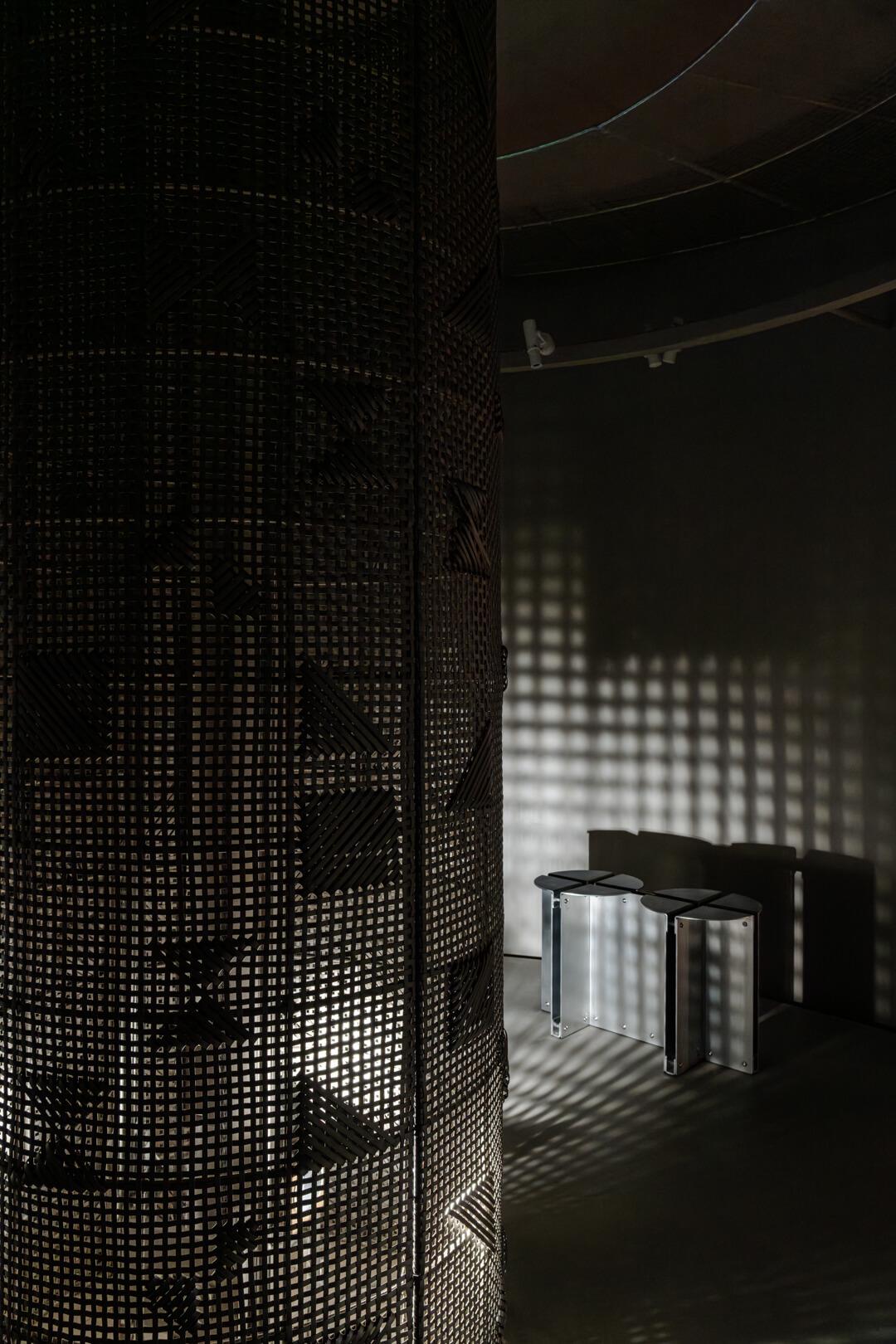
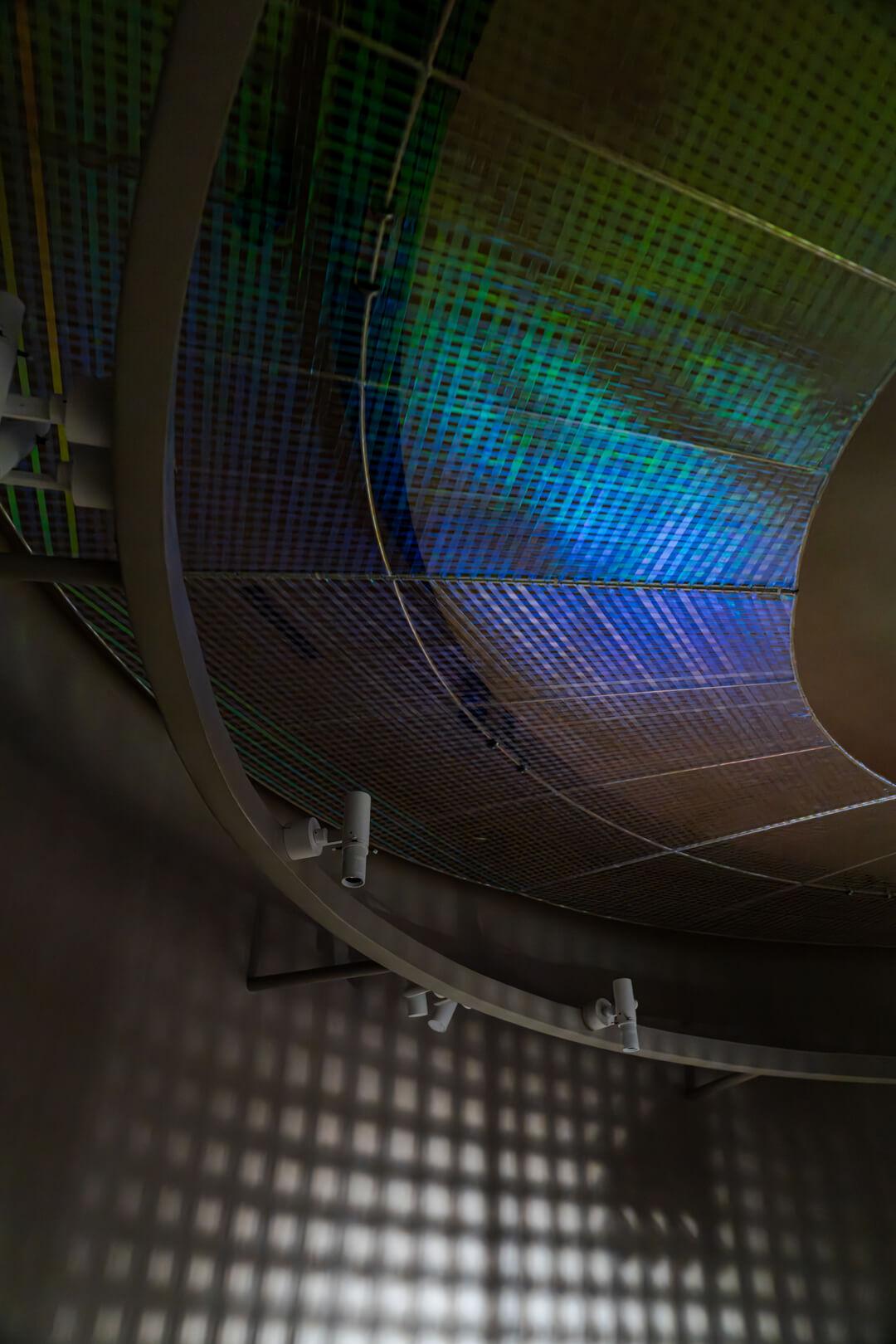
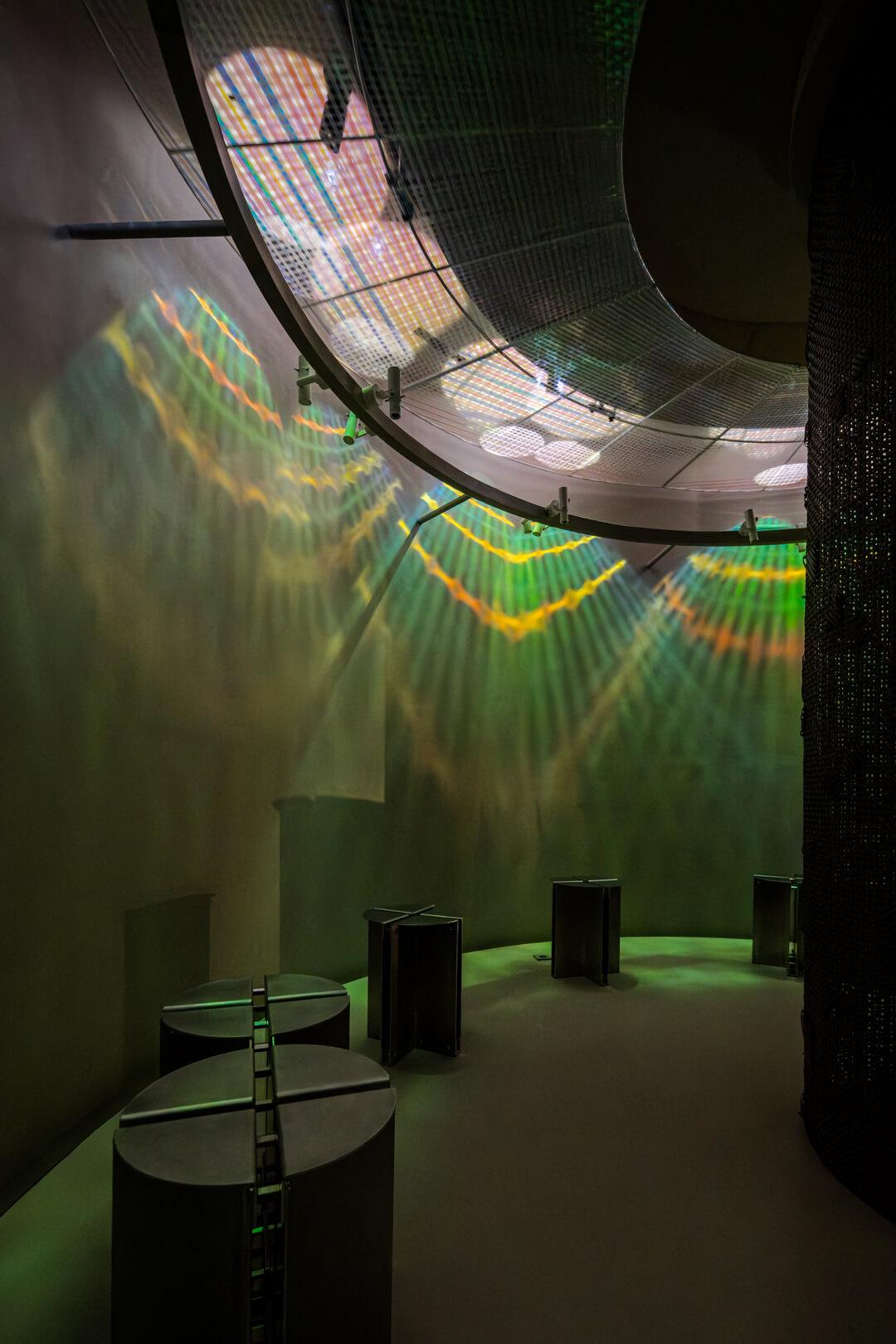
At the center of the asymmetrical site, a circular immersive room becomes the stage for theatrical lighting, architecture, and kinetic play. Its façade is conceived as a large circular shelving structure displaying Centralite’s lighting products, finished in a single dark grey textured surface that acts as a neutral canvas for flickering and dimming lights, resembling a constellation. Inside, the space draws inspiration from children’s night lamps: woven columns placed at the center are illuminated by moving lights, casting evolving shadows across the surrounding walls. Above, a kinetic ceiling made from woven dichroic material rotates under spotlights, producing shifting colorful reflections reminiscent of a kaleidoscope. The installation also incorporates interactive lighting sequences, floor step lights and museum spotlights alternately illuminate stainless-steel stools, creating a dynamic sensory environment inspired by children’s light-based play.
The project ultimately positions architecture as a framework rather than a finished object. Through the collaboration of architecture, lighting design, kinetic engineering, technology, and craftsmanship, the installation becomes a living environment, demonstrating how interdisciplinary experimentation can transform simple materials and everyday lighting into an immersive spatial experience.