 all
all


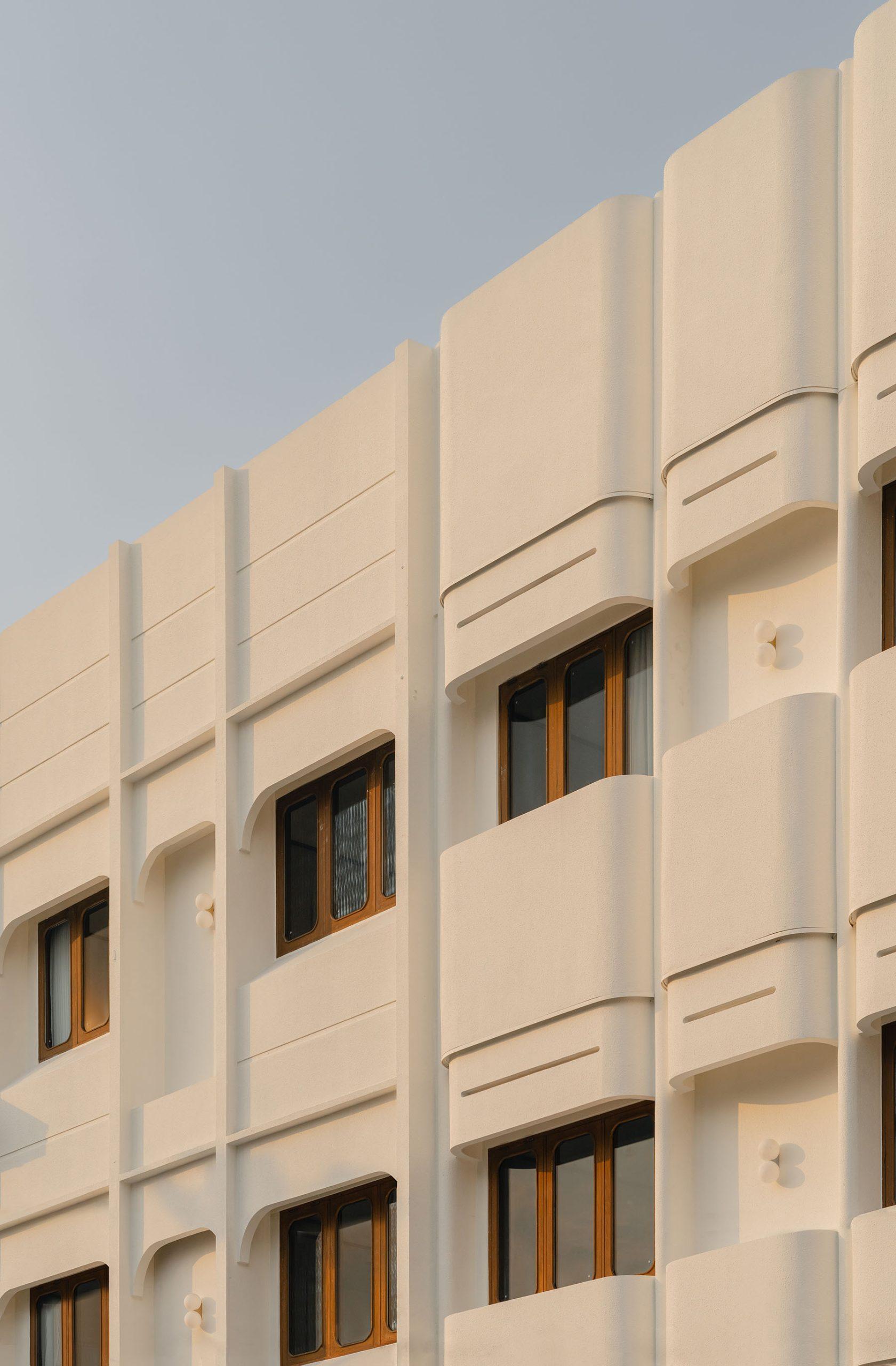
Preserving the heritage building facade on the left, the adjacent building is reimagined as its architectural twin—mirroring the massing and rhythm but with subtle distinctions that reflect its own identity. Both are painted in off white, unified through synchronized floor heights and interior connections, allowing for expanded spatial flow while retaining the integrity of the original structures.

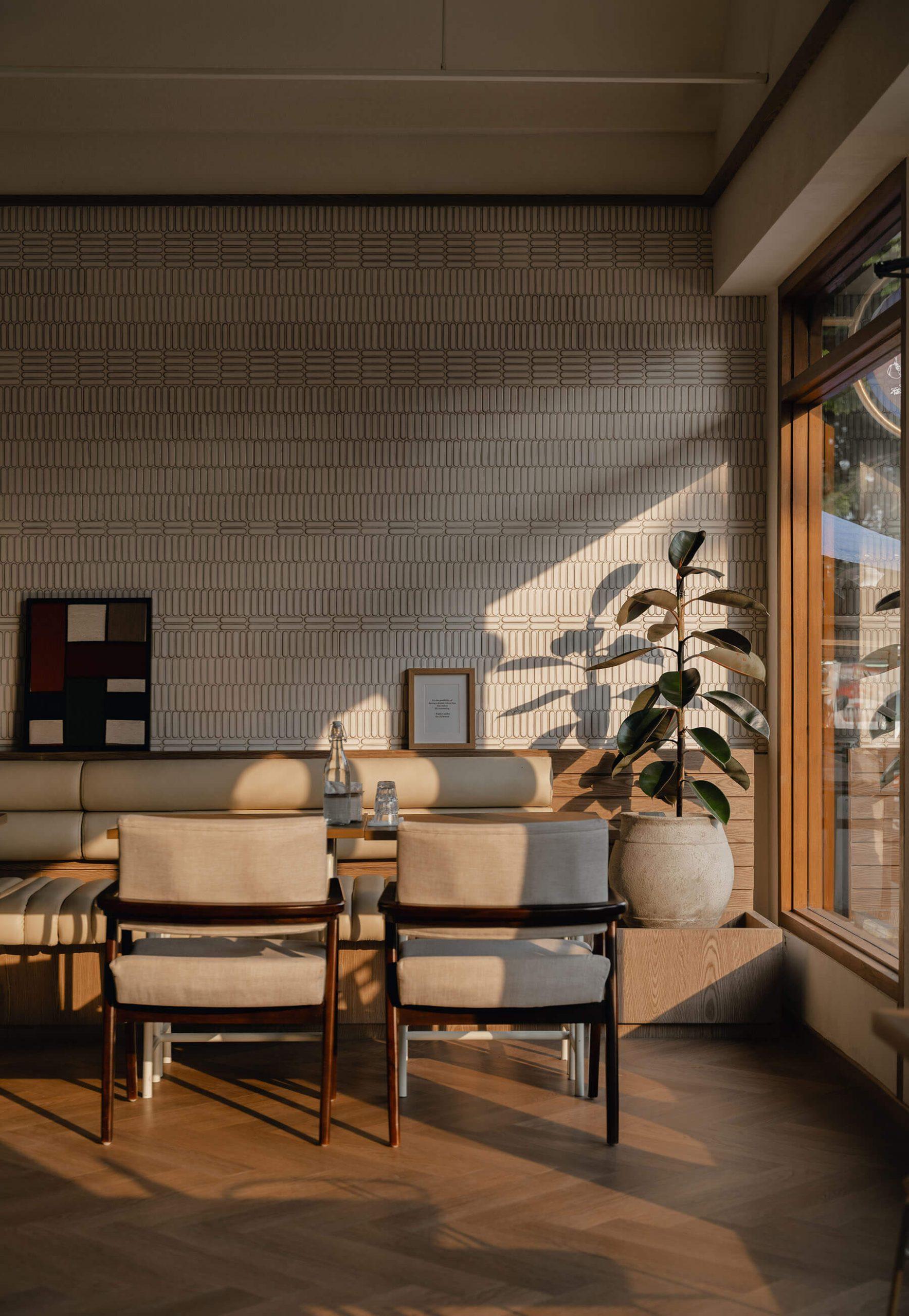


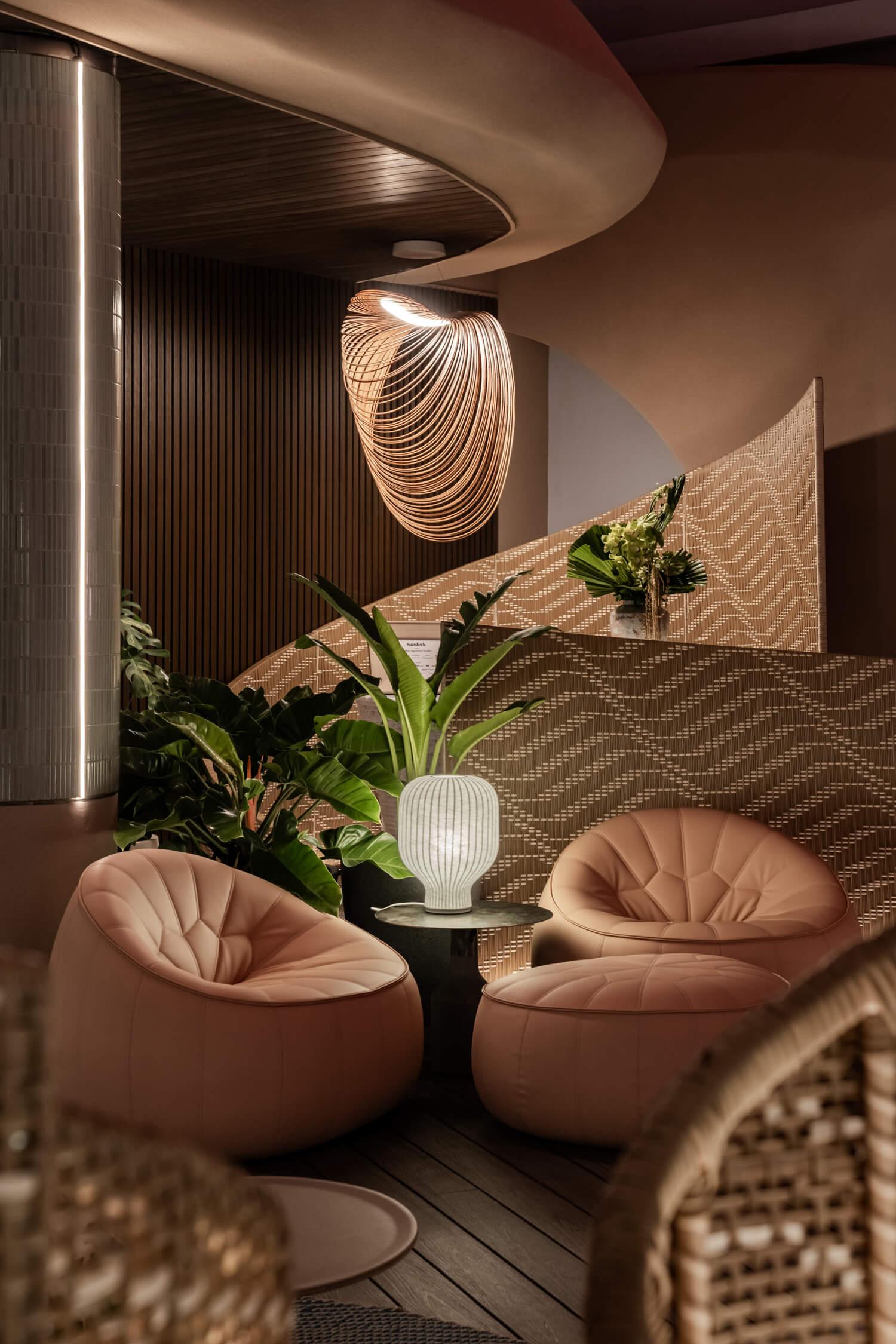
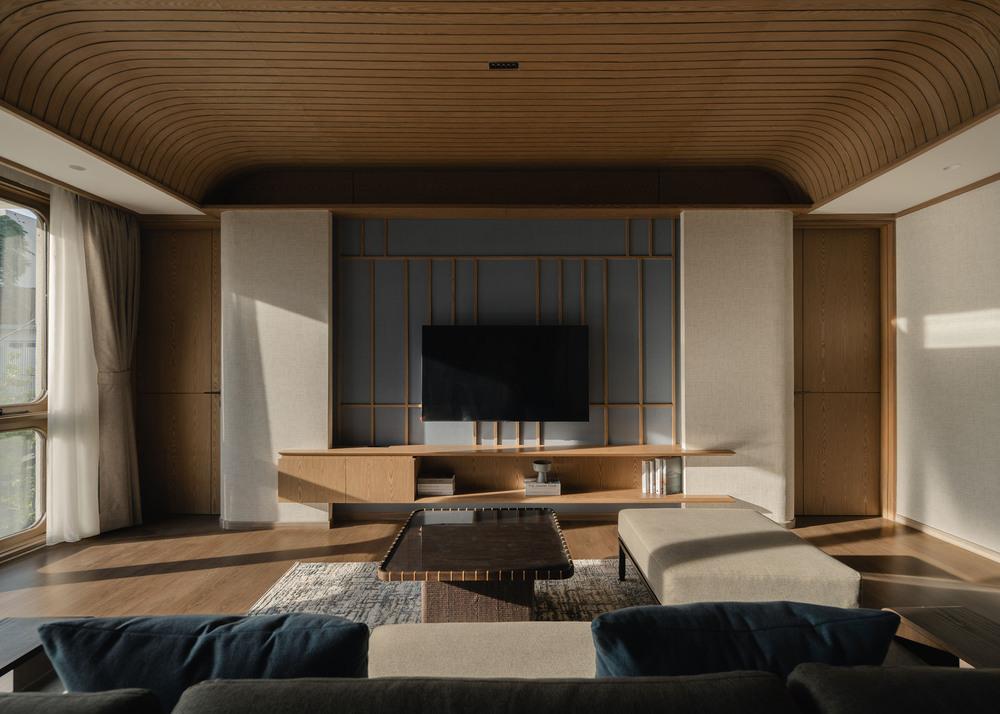
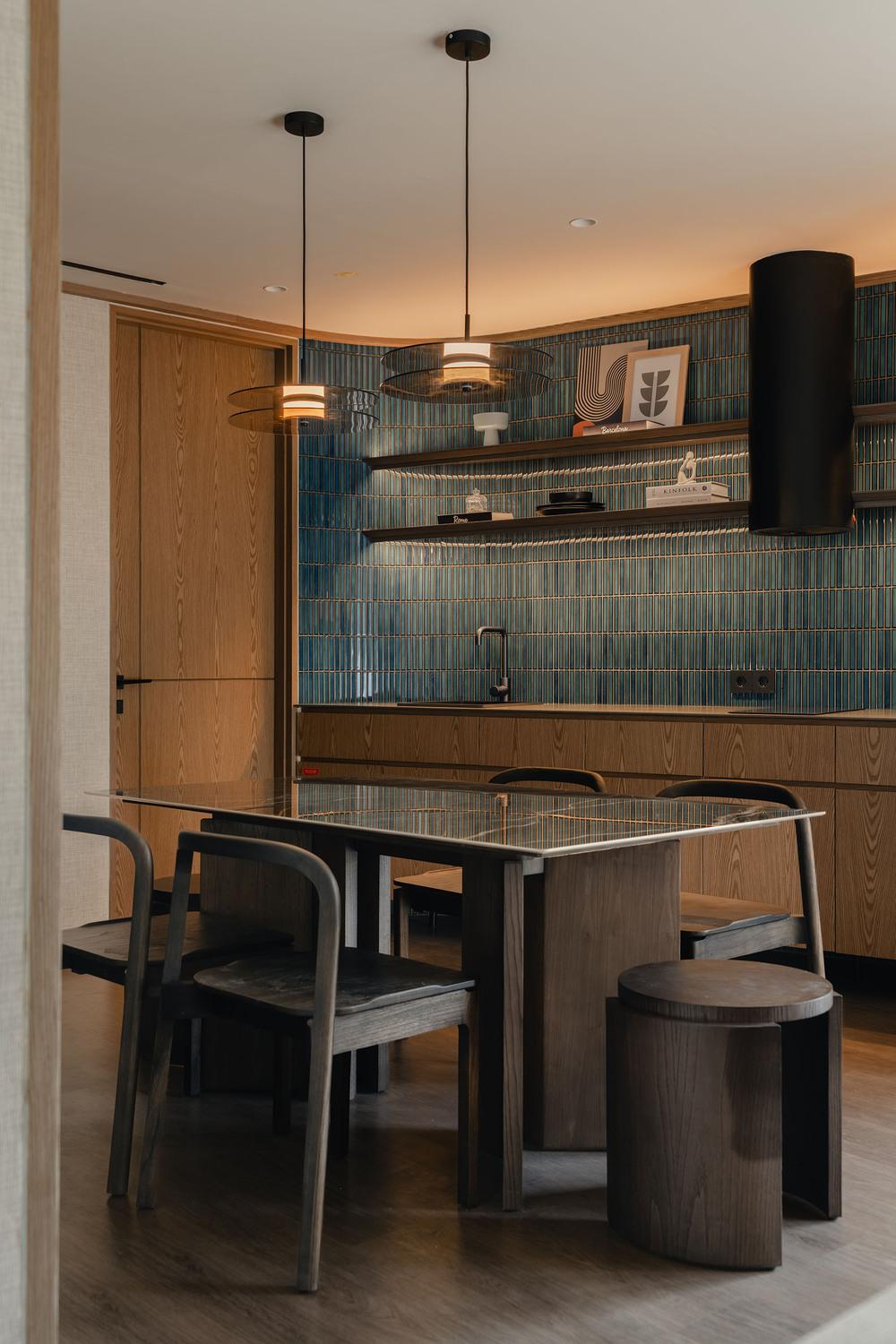
The ground floor accommodates a restaurant, kitchen, hotel lobby, and service areas. Hotel units occupy the second and third floors, each comprising three bedrooms, a living room, dining space, and bathrooms—designed more like a compact home than a conventional hotel room. Atop the building, a semi-outdoor rooftop bar overlooks the lively street below, offering a vibrant social space with the best views of Braga.
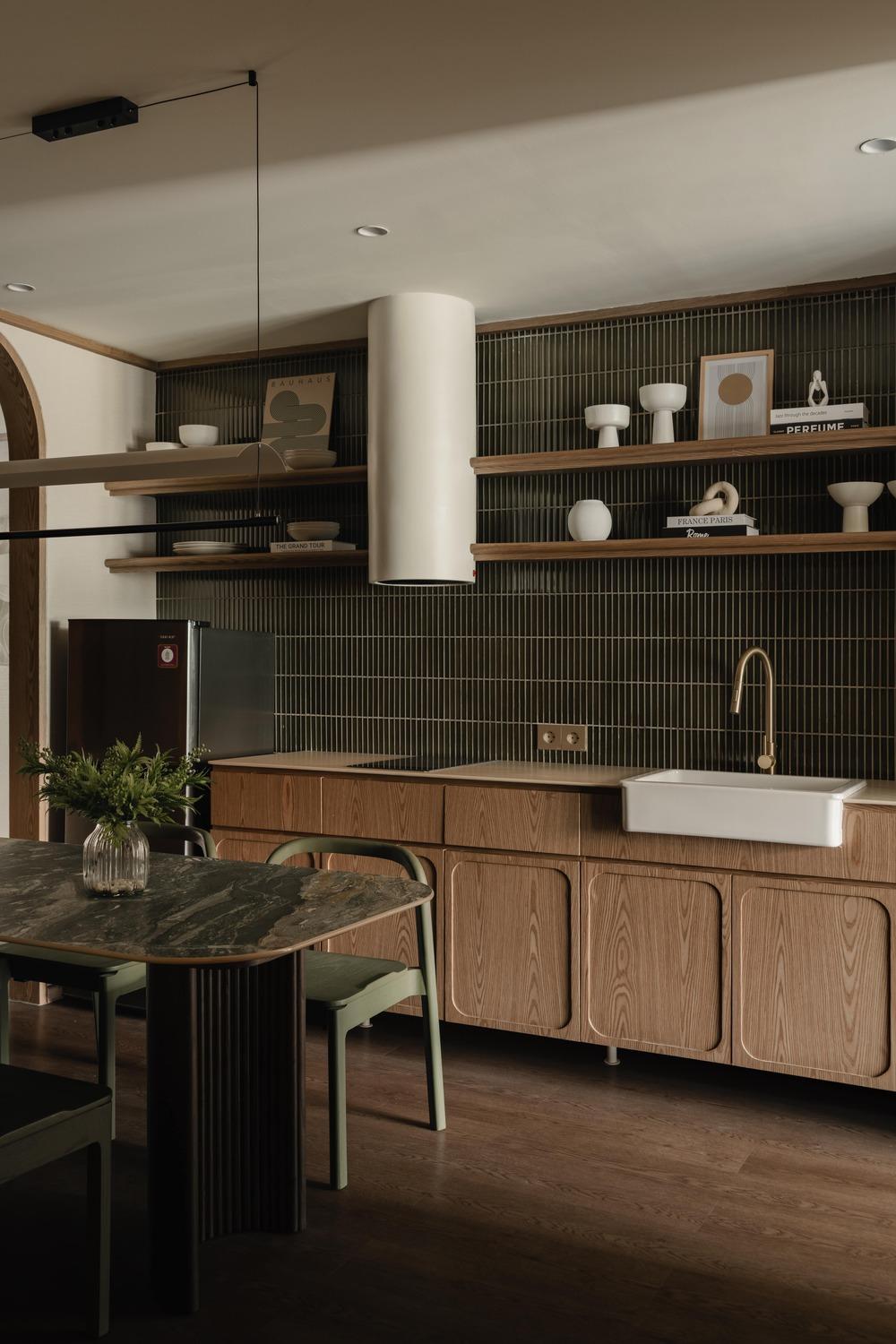
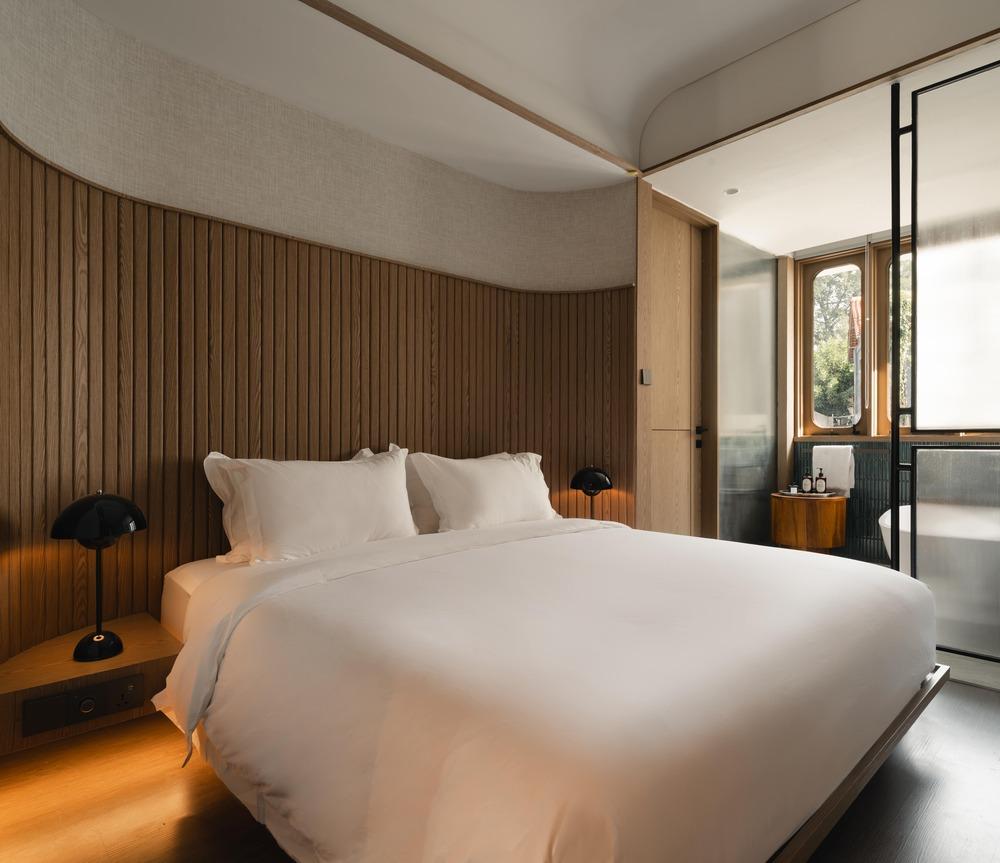
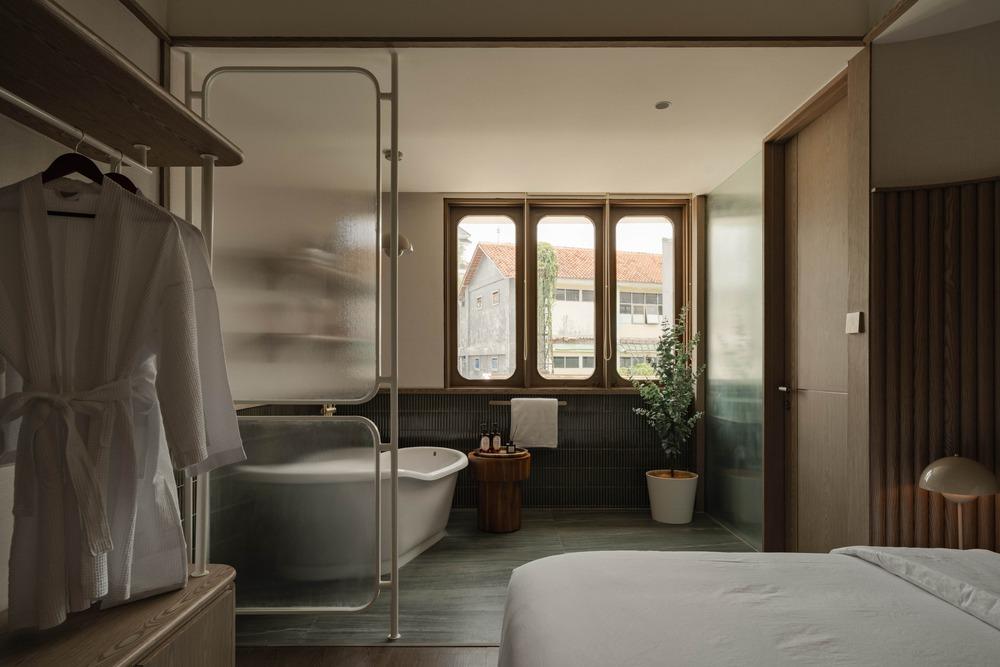
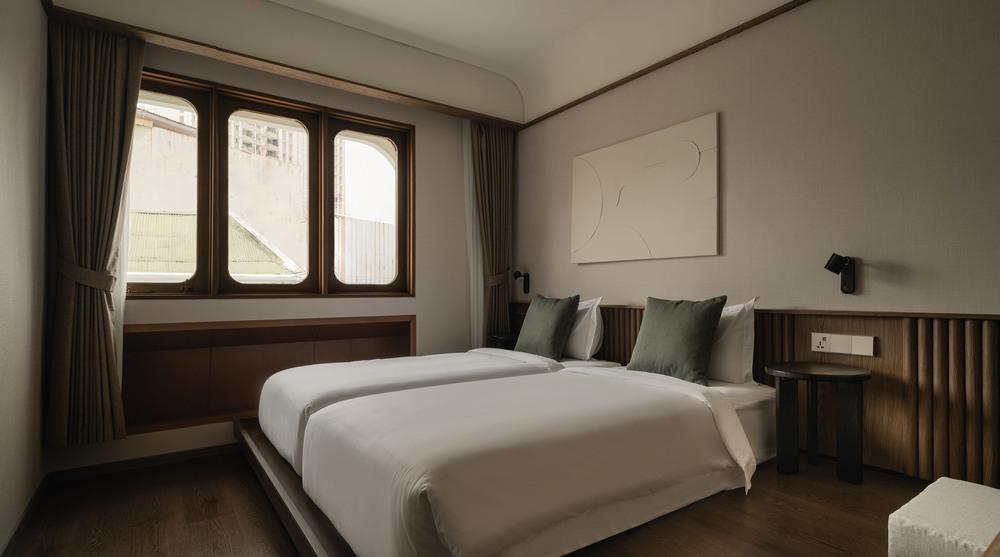
Throughout the interiors, Art Deco influences are expressed through geometric patterns, curved forms, and streamline motifs—elements drawn from colonial-era buildings along Braga. Rather than evoking opulence, these motifs are distilled into more modest, democratic forms, embracing a spirit of timelessness and cultural relevance for today’s Bandung urbanites.
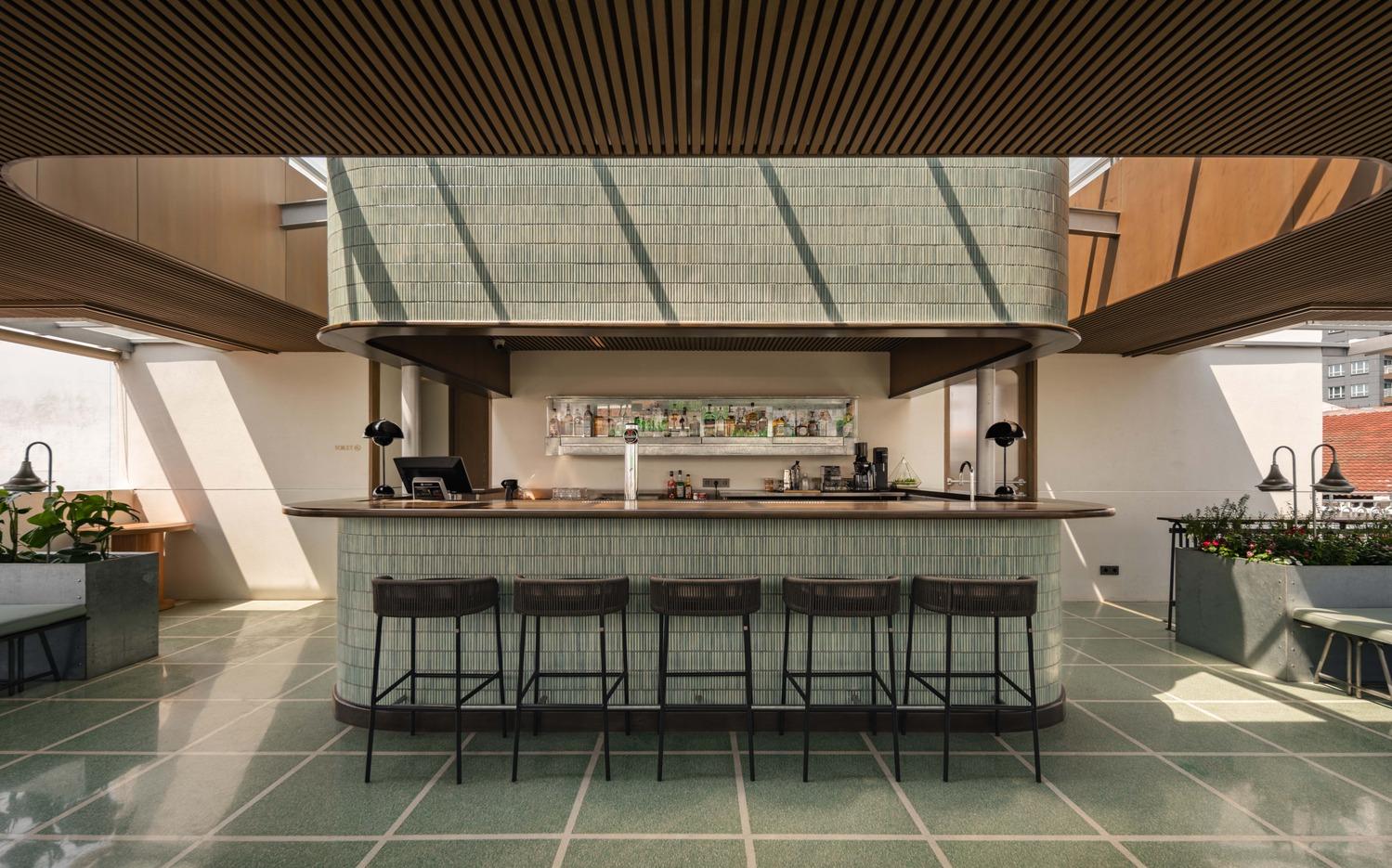
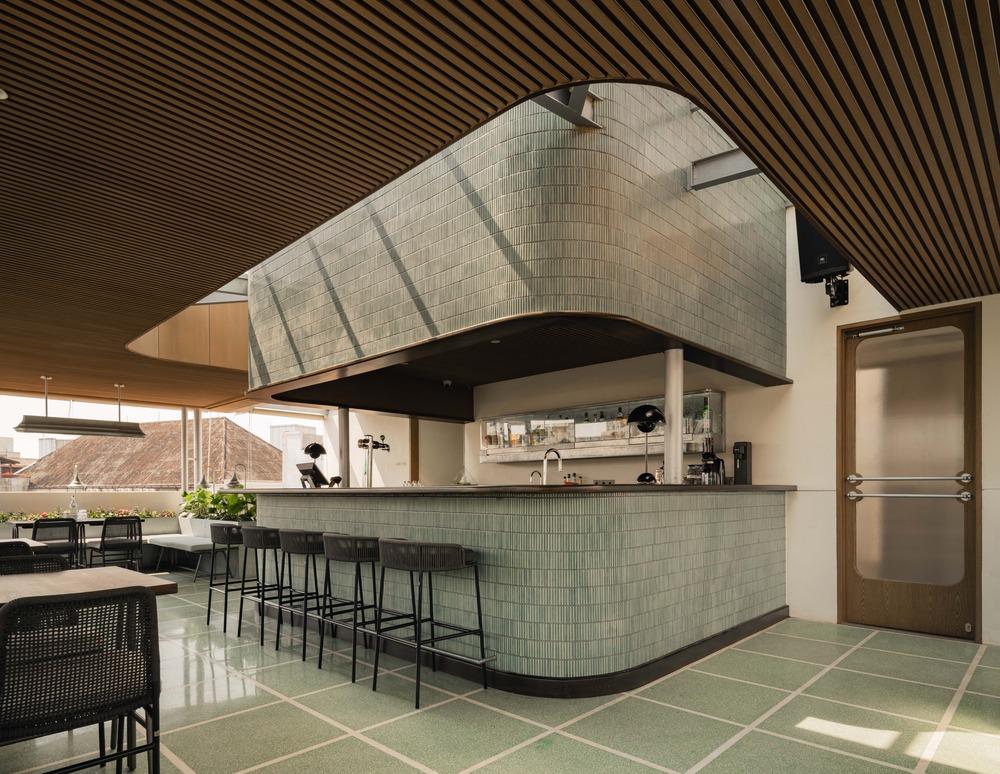
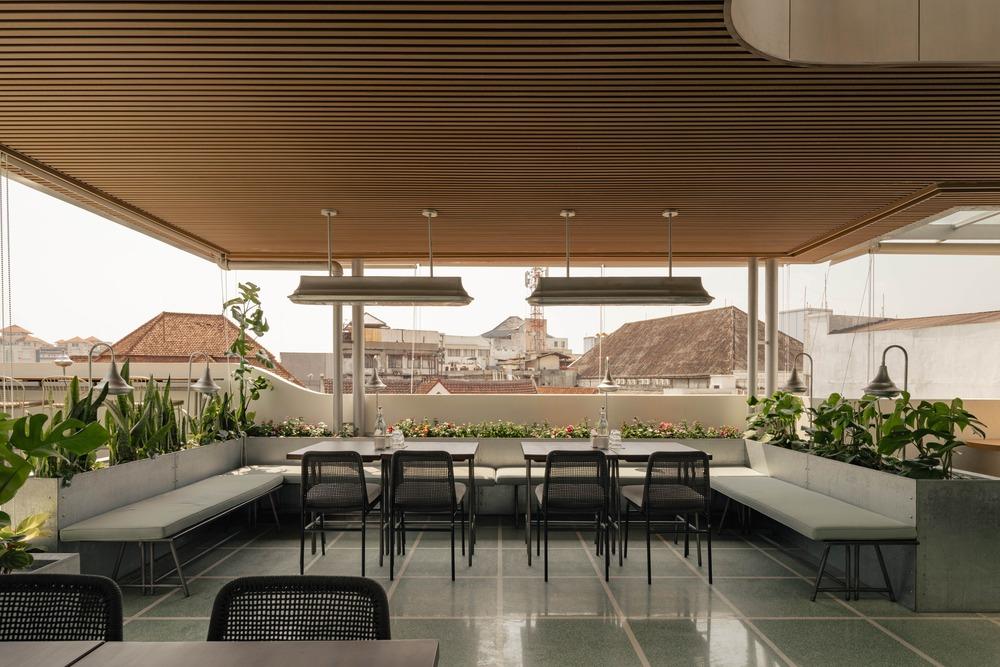
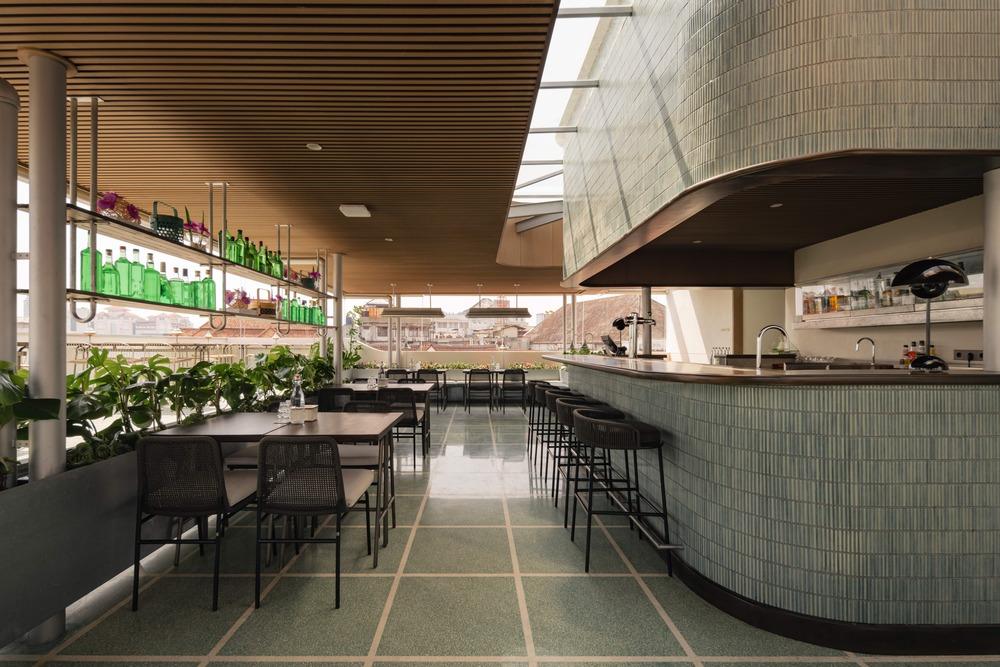
One of the design’s key highlights is the multifunctional lobby, which doubles as a bar and mini-library. Framed by tall bookshelves and a mezzanine level, it subtly recalls Braga’s historic bookstores. Meanwhile, the rooftop bar fuses Art Deco with Thai influences—reflected in its bespoke lighting design and cuisine offerings. Room placements are carefully considered to maximize natural light and views, with openings oriented toward both the front and back façade. Acoustic insulation became a crucial design challenge, given the site’s proximity to lively bars and heavy traffic. Custom double-glazed timber windows ensure tranquility within, without compromising aesthetics.
This project aspires not to stand apart, but to belong—to quietly harmonize with its historic context through restraint, honesty, and simplicity. Beyond preserving the architectural memory of Braga, it offers a sustainable vision for how heritage can be inhabited anew.